

This month, the highly anticipated soap challenge centers around mastering the intricate wood grain technique. Participants are required to craft their soap using only the cold process method, with the distinctive wood grain effect being the core feature. Any mold shape or size is permitted, and the competition is divided into two categories: all-natural and synthetic. I have chosen to enter the all-natural category, drawing inspiration from a remarkably vivid dream I experienced. As a dedicated soaper, I often have detailed dreams about creating soap and strive to transform these mental images into tangible creations. In my dream, the wood appeared as aged barn wood—sun-bleached, weather-damaged, and almost petrified in appearance. This vision ignited my creative process.
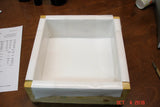
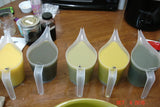
Over the next few days, I meticulously prepared my natural colorants by infusing olive oil with indigo, nettle leaf, and alkanet root powders. These infusions would provide three of my chosen colors, complemented by the pure white of kaolin clay and the deep black of activated charcoal. With my natural colors ready the following day, I prepared my mold and gathered the remaining supplies, including my carefully selected essential oil blend of juniper berry, cassia, and peppermint. This blend was later mixed with white kaolin clay, a choice that enhances scent retention in cold process soap while adding a subtle creamy texture.

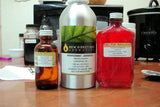
My carefully formulated soap batter features a rich blend of avocado, canola, castor, coconut, mango butter, hemp, extra virgin olive, palm kernel, and shea butter. This combination was chosen to create a luxurious, conditioning bar with excellent lather, a perfect canvas for the wood grain technique. The adventure began as I brought the soap to emulsification, then separated it into five distinct portions to integrate the natural colorants. The anticipation mounted as the colors were thoroughly mixed to achieve the desired shades, and the essential oil blend was incorporated.
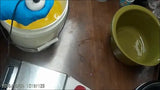


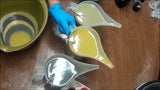
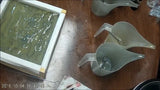
With all preparations complete and the excitement building, I commenced the pour. I layered the colored soap batter one portion at a time into a single bowl, alternating colors to create the distinctive swirling pattern essential for the wood grain effect. Once all the batter was combined, it was carefully poured into the prepared mold.
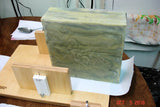
The soap was then covered and placed in a warm oven for approximately one hour, a method that promotes gel phase and can enhance color vibrancy. After this initial period, it remained covered until the following day, allowing for a slow and complete saponification process. Once fully cured, the soap was removed from the mold, expertly split into logs, then cut into individual blocks, and finally sliced into bars using a dedicated bar cutter. This meticulous cutting process revealed the captivating internal wood grain pattern.

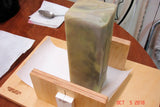
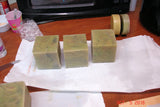
To accurately capture the progression of the design, I endeavored to keep all the soaps in their original order for photography. Presented here are some of the most aesthetically pleasing pieces, displayed as they were cut from the larger block.
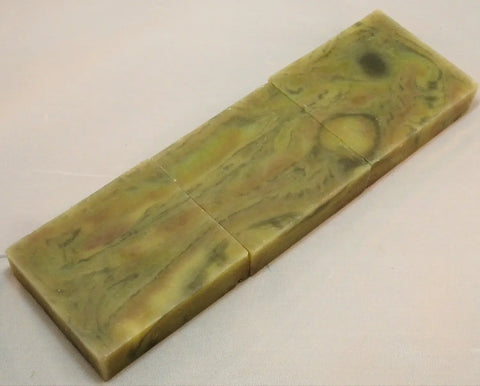
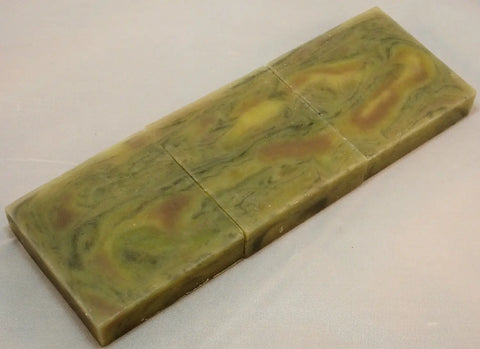
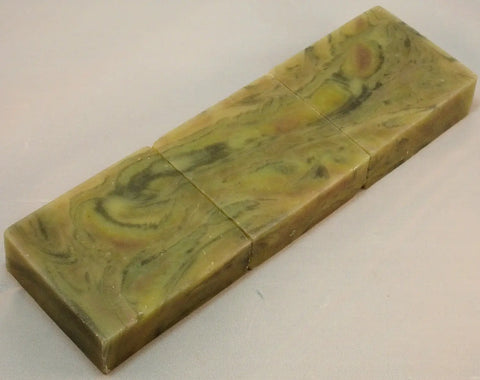

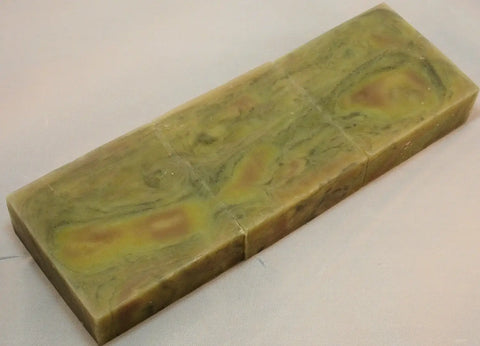
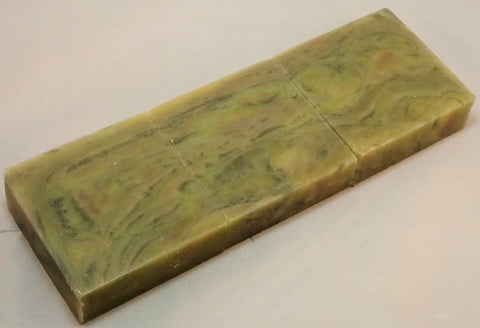
Despite my efforts, I encountered a slight challenge in locating the corresponding end piece for this final set of soaps, a task made considerably more difficult when sifting through twenty-five bars from this batch.
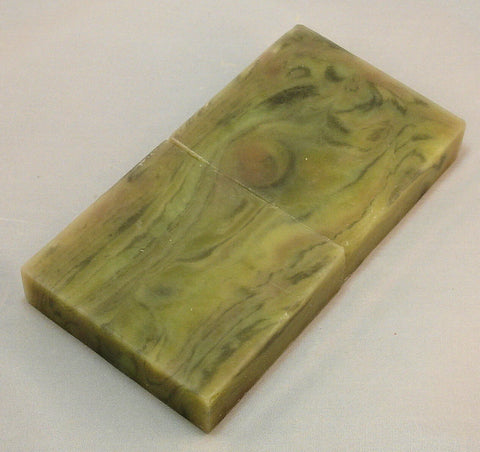
Ultimately, I am very pleased with the subtle yet distinct green, blue, and pinkish-purple hues achieved through the all-natural colorants. This wood grain technique project was a highly enjoyable creative endeavor, and the resulting essential oil blend provides an amazing aroma. I eagerly anticipate experimenting with this technique using other natural colorants in the future, and of course, exploring its potential with mica colorants as well, expanding the possibilities for Lisas Natural creations.
Into social media?
Follow me on Facebook https://www.facebook.com/Lisas-Natural-Herbal-Creations
Twitter https://twitter.com/lisas_natural
Instagram https://www.instagram.com/lisas_natural_herbal_creations/
Pinterest https://www.pinterest.com/lisamaw7/lisa-s-natural-herbal-creations/
and now YouTube https://www.youtube.com/channel/UCD2f_SY7NimAj7DZVpkyv1Q
30 comments
I just spent about an hour trying to find a piece of wood that I have that looks IDENTICAL to your soap just to show you how spot on your soap is! I must have used it in some building project or another. Oh well, your soap speaks for itself,you don’t need any proof in the least bit. You did a tremendous job, Lisa!
Beautiful colours and texture, Lisa! You did such a great job with the natural colours. Thanks so much for sharing your process too :)
This is wonderful Lisa! So realistic!! I am glad to hear that I am not the only one that «dreams» of soap :-) Excellent work!
Amazing work and love how you detailed all of your steps of the challenge.
I love this! I actually have an old deck around our pool, that would look just like this every time it rained! lol
Nice job, came out pretty.
WOW, totally amazing! Looks like old weathered wood right down to the colors and the swirls. Excellent job!!!
Wow ! It looks so delicate ! I love the way the colours and swirls have played along to give a realistic touch ! All the best to us ! :)
Love the color combo and the delicate grains in your wood!
The scents sound amazing….I wish I could smell it!
Congratulations Lisa. The colour is very nice and the effect is great !
I love this, Lisa!! The green tones really do make it look weathered and old. I’m so glad the swirl worked out so well – the soaps in your entry photo are amazingly realistic!